Master the Night:
Essential Night Travel Tips
Essential Night Travel Tips
Plan Your Itinerary Wisely
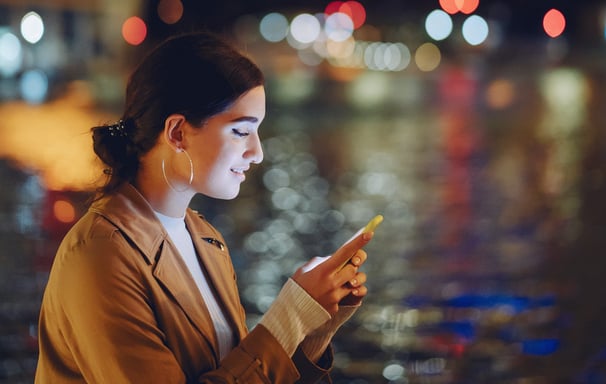
Traveling at night comes with its unique challenges, and one of the best ways to mitigate them is through careful itinerary planning. Start by researching your destination thoroughly. Understand the transportation options available, their schedules, and any potential changes or disruptions that might occur during the night. Familiarize yourself with the layout of the area, as navigating in the dark can be more challenging. Having a map or GPS app on your phone can be incredibly helpful.
Additionally, consider booking accommodations in advance, so you have a place to rest upon arrival. This can be especially important if you're reaching your destination in the early morning hours when most places might not be open for check-ins. A well-thought-out itinerary will help you avoid the stress of getting lost, missing connections, or being stranded in unfamiliar locations when most services may be limited.
Pack Light and Essentials
Nighttime travel often involves maneuvering through busy transportation hubs or walking in dimly lit areas. Packing light can significantly ease your journey. Opt for a smaller, versatile luggage or a backpack that is easy to carry. Avoid overpacking with unnecessary items, as it can be exhausting to lug around a heavy bag in the dark. A lightweight, compact travel pillow and an eye mask can make sleeping during the journey more comfortable, especially if you're on a long-haul trip.
In addition to packing light, be sure to include essential items in your travel kit. A small flashlight or headlamp can be a lifesaver in case of power outages or when you need to find something in your bag. Don't forget a power bank for your electronic devices, as charging options might be limited during the night. With these essentials, you'll be better prepared for any nighttime travel scenarios that come your way.
Stay Alert and Be Aware
Traveling at night introduces unique safety considerations. To ensure a secure journey, remain vigilant and conscious of your surroundings, especially in unfamiliar or dimly lit locations. This heightened awareness can help you detect potential risks and stay safe during your nighttime travels.
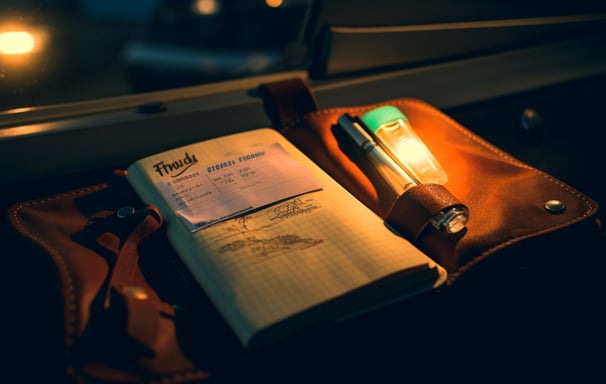
Prioritize the security of crucial documents like your passport and travel tickets by keeping them easily accessible but well-protected. Additionally, share your travel plans and expected arrival times with a trusted person. This precaution ensures that someone knows your whereabouts and can offer assistance or check on your well-being should the need arise.
Thrill After Dark
12 Spooky Night Adventures

Apartment
- Parking
- TV
- View


Cabin
- Parking
- Child Friendly
- Internet


House
- Designated Smoking Area
- Bedding/Linens
- Wellness Facilities


Ski Chalet
- Parking
- TV
- Balcony/Terrace


Apartment
- Parking
- Pool
- Designated Smoking Area

Apartment
- Pool
- TV
- Wheelchair Accessible

House
- Parking
- Pet Friendly
- Pool

Ski Chalet
- Air Conditioner
- Parking
- Pool

Apartment
- TV
- Security/Safety
- Child Friendly

Apartment
- Air Conditioner
- Parking
- Pool

House
- Parking
- TV
- Balcony/Terrace